Compare New City homes more confidently with practical first-time buyer insights on lot size, commute patterns, home styles, and renovation tradeoffs in the $300K to $600K range.
For first-time buyers comparing New City homes, the biggest clues often go beyond list price. This Rockland County community blends leafy residential streets, broad lawns, and established split-levels, ranches, and Colonials with a convenient county-seat setting that keeps shopping, schools, and daily errands close at hand. As buyers weigh options in the roughly $300K to $600K range, details like lot shape, driveway layout, renovation history, and commute patterns can make one block feel very different from the next.
New City also stands out for its strong neighborhood identity, mature tree canopy, local parks, and easy access to Clarkstown amenities, creating steady appeal for both buyers and sellers. In this article, we will look at the subtle signals that shape value here, from curb appeal and home style tradeoffs to how inventory, timing, and location influence decision-making in today’s market.
For first-time buyers comparing New City neighborhoods, market pace matters just as much as list price. Melanie Perraglia’s recent sales average about 55 days on market with a 98% list-to-sale ratio, a useful local benchmark for understanding how quickly well-priced homes can move in this part of Rockland County. In New City, homes in the $300,000 to $600,000 range often draw the most attention because they appeal to buyers seeking established neighborhoods, mature trees, and practical layouts such as ranches, split-levels, and center-hall Colonials. When inventory is limited, buyers may need to weigh tradeoffs like a longer commute, an older kitchen, or a sloped lot in exchange for more space or a stronger location.
For sellers, these conditions reinforce the value of accurate pricing and strong presentation from day one. A home on a quiet, tree-lined street near parks, shopping, or commuter routes may command faster interest than a similar property needing visible updates. For buyers, average days on market can create opportunity: homes that sit a bit longer may simply reflect pricing adjustments, deferred maintenance, or layout preferences rather than a weak neighborhood. Looking beyond headline price to lot usability, renovation scope, and street setting can help first-time buyers judge where the best value really is in New City.
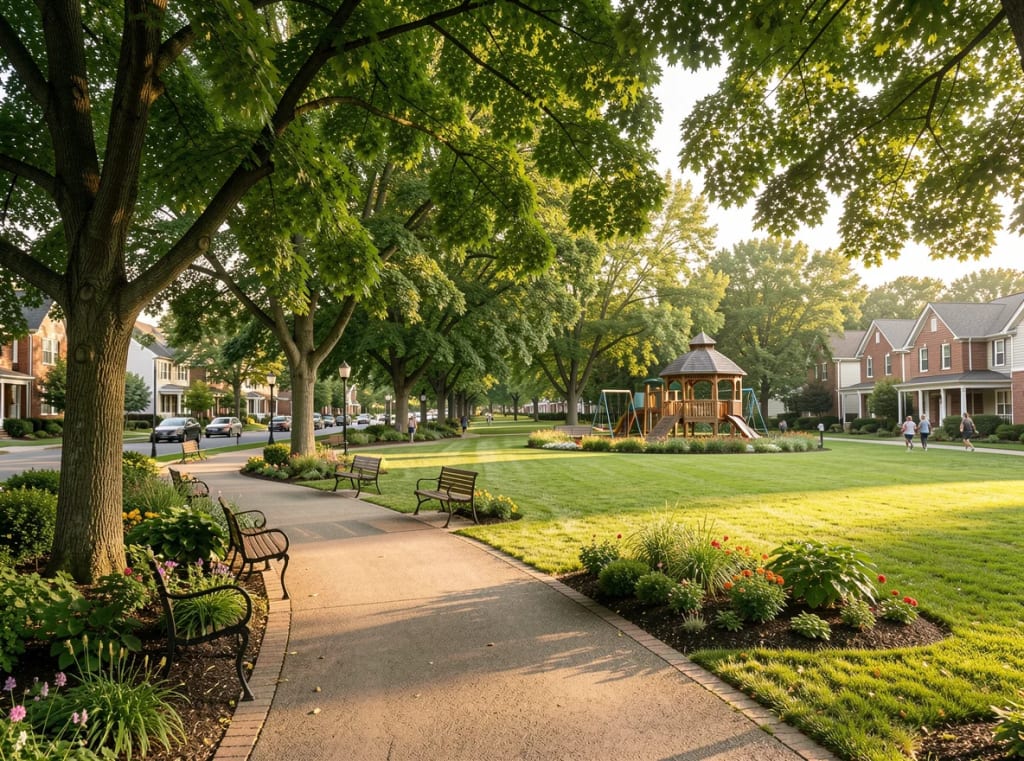
For first-time buyers comparing New City homes in the $300K to $600K range, lifestyle clues often show up just beyond the front door. Neighborhood parks, youth sports fields, and green spaces around Clarkstown help signal how residents use the area day to day, while tree-lined streets and broad lawns often point to the established suburban character many buyers want.
Local dining and shopping corridors add another layer to the decision. A home that sits near casual restaurants, coffee stops, and everyday services can make weeknight routines easier, especially for buyers balancing commute patterns with family schedules. Schools are also part of the equation, since many shoppers weigh district reputation, bus routes, and after-school convenience alongside price and condition. Community events, seasonal gatherings, and the steady rhythm of local civic life give buyers a practical way to judge whether a block feels active, connected, and well suited to long-term ownership.
In New City, first-time buyers often focus on list price and square footage, but the better comparison is how each home fits daily life. Before touring seriously, get fully pre-approved, set a firm comfort range, and leave room in your budget for taxes, repairs, and updates common in split-levels, ranches, and older Colonial homes. Pay attention to lot shape, driveway slope, and how much of the yard is actually usable, especially on gently sloping or wooded parcels. A lower-priced home may need window, roof, or cosmetic work, while a higher-priced one may offer less renovation risk and a smoother move-in timeline.
Expect negotiations in New City to depend on condition, competition, and how clean your terms are. Well-kept homes on tree-lined streets can move quickly, while properties needing updates may create room to negotiate on price or inspection items. To stand out, keep contingencies realistic, respond quickly, and avoid stretching beyond what the monthly payment truly supports. It also helps to compare commute patterns, traffic flow on winding local roads, and proximity to parks, shopping, and schools before making an offer. Buyers who weigh neighborhood clues alongside price are usually better positioned to recognize long-term value.
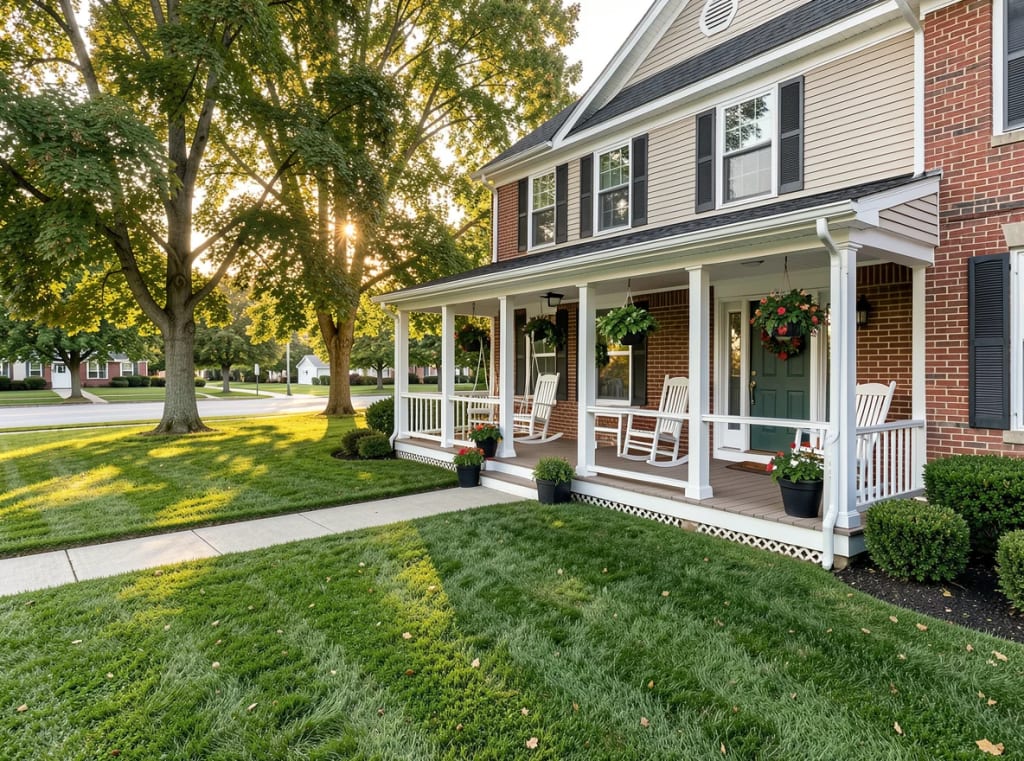
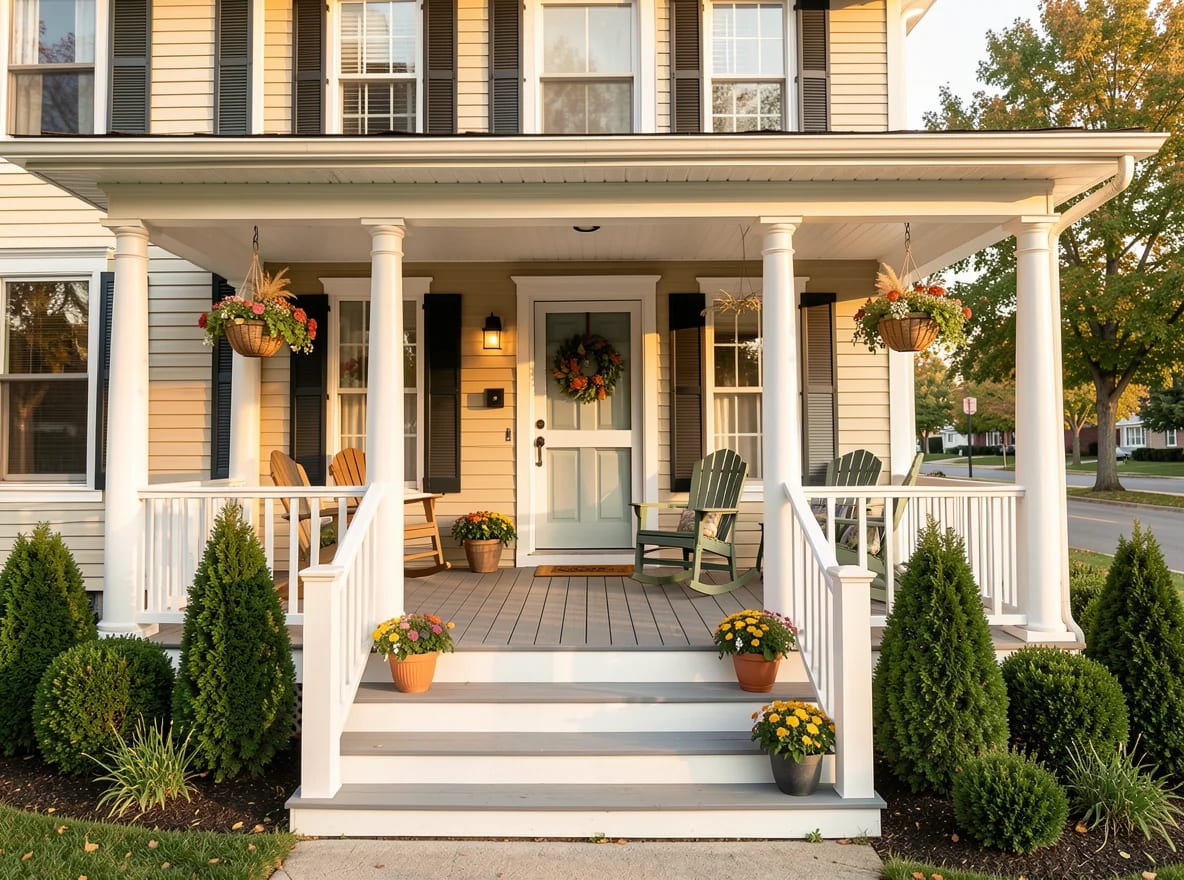
For New City sellers, the details first-time buyers notice most often are the ones that shape perceived value before they ever discuss price: curb appeal, room flow, lot usability, and how much updating feels necessary. That is why preparation matters. In neighborhoods with split-levels, ranch homes, and center-hall Colonials, simple staging choices such as brighter entryways, lighter paint, trimmed shrubs, and cleared walkways can help buyers focus on space and condition instead of future to-do lists.
Pricing also needs to reflect New City realities, including lot size, street setting, commute convenience, and the tradeoff between original finishes and recent improvements. Overpricing can cause buyers in the $300K to $600K range to compare your home unfavorably against better-positioned options. Strong marketing should highlight the features local buyers weigh carefully, such as mature tree-lined streets, attached garages, broad lawns, and practical outdoor living areas. Melanie Perraglia’s background in branding and seller marketing helps position those strengths clearly from launch.
Sign in with your email address
Enter your email address
Please wait...
You’re being redirected to the page with listing data.